

Internet of Things (IoT) in Web Design: Architecting Connected Digital Ecosystems

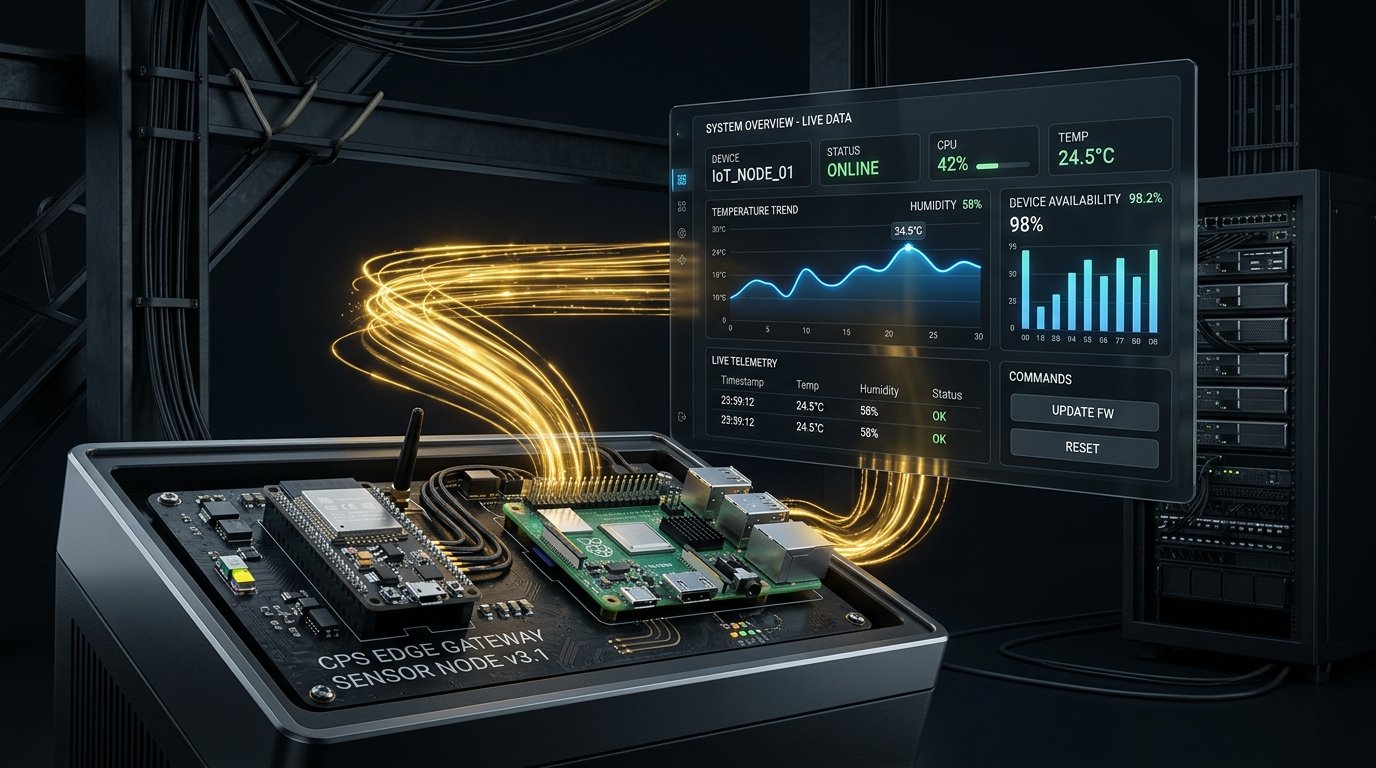
Direct Answer: The integration of the Internet of Things (IoT) into web engineering transforms static web pages into interactive, real-time command hubs. By bridging physical hardware devices—such as sensors, smart meters, industrial monitors, and wearable trackers—with high-speed web interfaces via WebSockets and REST APIs, IoT-enabled web design enables live data visualization, automated operational alerts, and dynamic personalization at scale.
The Convergence of IoT and Modern Web Design
The classic web was built for human-to-computer interaction: a user clicked a button, a server processed the request, and a new page loaded. Today, the explosion of smart connected devices has altered this paradigm entirely. Websites are no longer just brochures or simple transaction portals; they are live digital command centers communicating with thousands of autonomous physical endpoints.
In India's rapidly modernizing industrial and commercial landscape, businesses across logistics, manufacturing, smart agriculture, and healthcare require web applications that can ingest, process, and display continuous streams of real-time telemetry data. As an experienced website design company in India, White Gold Technologies engineers specialized web architectures that bridge physical devices with frictionless user interfaces.
Core Technical Benefits of IoT-Enabled Web Architecture
Integrating IoT infrastructure into your digital platform unlocks powerful technical and operational advantages:
- Real-Time Data Streaming & Telemetry: Using WebSockets and MQTT protocols, web applications receive instantaneous sensor updates without manual page refreshes.
- Hyper-Personalized Dynamic UI: Websites can adapt their interfaces dynamically based on environmental data, connected hardware status, or geographic sensor readings.
- Automated Predictive Maintenance: Industrial monitoring dashboards can detect equipment anomalies early and trigger automated maintenance alerts before costly failures occur.
- Decentralized Device Management: Authoritative administrative portals allow engineers to configure, reboot, and deploy firmware updates to remote hardware globally.
Key Architectural Considerations: Latency, Security & Scale
Designing web systems for IoT devices introduces unique challenges that standard web design templates cannot handle:
Rigorous End-to-End Security
IoT devices create potential network vulnerabilities. Systems require mutual TLS authentication, encrypted API payloads, role-based access control, and hardened cloud boundaries.
High-Throughput Data Ingestion
Thousands of sensors transmitting data every second can overwhelm standard relational databases. We deploy time-series databases and caching layers to guarantee sub-second queries.
Ultra-Low Latency UI Rendering
Complex graphical dashboards must render hundreds of data points cleanly without degrading CPU performance or freezing mobile browser interfaces.
Offline Sync & Edge Resilience
Industrial environments frequently face intermittent connectivity. Progressive web architectures ensure local data caching and graceful resynchronization.
Commercial IoT Applications Transforming Indian Industries
IoT-enabled web architectures are actively transforming key sectors:
- •Manufacturing & Factory Automation: Real-time production tracking, temperature and vibration alerts, and automated energy consumption monitoring.
- •Cold Chain Logistics: Live GPS fleet tracking coupled with interior cargo temperature sensors to guarantee perishable pharmaceutical and food safety.
- •Smart Commercial Real Estate: Centralized web portals regulating building HVAC, occupancy sensors, access cards, and utility metering.
How White Gold Technologies Architects IoT Web Systems
At White Gold Technologies, our development methodology combines cutting-edge web frameworks with rock-solid server-side APIs:
We design clean, ergonomic user experiences that translate dense machine data into intuitive, actionable visual charts. From protocol selection to cloud scalability audits, our team ensures your web platform remains dependable, secure, and ready to scale alongside your hardware deployment.
Frequently Asked Questions
What programming languages and frameworks are best for IoT web interfaces?
Modern IoT web frontends typically utilize modern JavaScript/TypeScript frameworks with reactive charting libraries (like Chart.js or D3.js) backed by Node.js, Go, or Python microservices utilizing WebSockets for real-time bi-directional telemetry transmission.
Can an existing website be retrofitted with IoT dashboard capabilities?
Yes. An existing corporate website can be integrated with secure, password-protected client portal subdomains or embedded dashboard widgets that interface directly with your hardware cloud APIs.
How do you secure IoT web portals against unauthorized access?
We implement end-to-end cryptographic standards: HTTPS/TLS 1.3, multi-factor authentication (MFA), JWT tokens with strict expiry, encrypted database storage, and continuous API rate limiting to safeguard sensitive device telemetry.
Nidhi Saxena
Technical software architect and writer at White Gold Technologies specializing in IoT systems, cloud computing, and responsive web architectures.
READY TO BUILD A WORLD-CLASS WEBSITE?
Partner with India's trusted web design & software engineering agency. Talk to our senior architects in Alwar to receive a clear project roadmap, modern technology recommendations, and transparent pricing.